Sora 2 vs Veo 3.1 vs Kling 3: The Ultimate AI Video Model Comparison (2026)
We ran 100+ test generations across all three models. Here's the definitive verdict on which AI video model wins — and which use case each is best for.

The AI video generation space has exploded in 2026. Three models dominate the conversation: OpenAI's Sora 2, Google's Veo 3.1, and Kling 3 from Kuaishou. All three are available through VIBE — which means you don't have to choose just one. But understanding where each excels will completely transform the quality of your output.
We ran over 100 test generations using identical prompts across all three models, across 6 categories: photorealism, motion quality, human animation, creative/abstract content, text rendering, and speed. Here's exactly what we found.

The Contenders: A Quick Overview
Sora 2 (OpenAI)
Released in late 2025, Sora 2 is OpenAI's second-generation video model. It builds on the original Sora's photorealism capabilities with a dramatically improved physics simulation engine and extended clip length support (up to 2 minutes). Sora 2 is OpenAI's flagship product for professional filmmakers and high-end content creators.
Google Veo 3.1
Veo 3.1 is Google DeepMind's latest video generation model, notable for its speed and multi-modal capabilities. Trained on YouTube's massive video library, Veo 3.1 has a deep understanding of camera movements, cinematography styles, and visual storytelling. It's the fastest of the three by a significant margin.
Kling 3 (Kuaishou)
Kling 3 is the surprise standout of 2026. Developed by Chinese short-video giant Kuaishou, Kling 3 specializes in human motion — and it's quite simply the best AI video model for any content featuring people, dancers, athletes, or characters. If your content is human-centric, Kling 3 is the tool to use.
Test 1: Photorealism
Prompt used: "A photorealistic elderly fisherman pulling nets on a fog-covered Nordic fjord at dawn. Slow cinematic push-in. 4K."
Winner: Sora 2
Sora 2 produced a genuinely cinematic result that was difficult to distinguish from real footage. The fog interaction with the water surface, the weathered texture of the fisherman's hands, and the subtle lens breathing were all present. Veo 3.1 produced a beautiful shot but with slightly oversaturated colors and less convincing micro-details. Kling 3 lagged significantly — photorealism is not its strength.
Verdict: Sora 2 is the undisputed king of photorealism. Use it for brand films, documentary-style content, and any video where "is this real?" is the goal.
Test 2: Human Motion and Animation
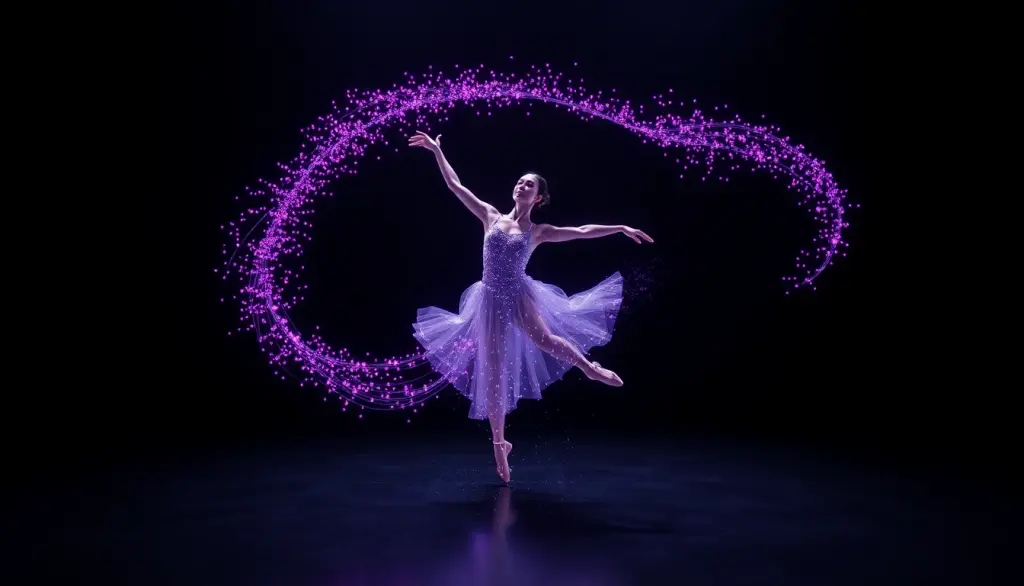
Prompt used: "A professional ballet dancer performing a grand jeté in slow motion on a rooftop at sunset, hair flowing, graceful perfect form."
Winner: Kling 3
This wasn't even close. Kling 3's human motion output was extraordinary — the dancer's limbs, posture, hair physics, and weight all felt physically correct. Sora 2 produced uncanny valley artifacts in the hands and feet. Veo 3.1 created a beautiful scene but the movement felt slightly mechanical.
Verdict: Kling 3 is the only model to use for human animation. If you create fitness, dance, lifestyle, or character-driven content, Kling 3 will produce results that look like a Hollywood production.
Test 3: Speed of Generation
For high-volume creators who need to post multiple times daily, generation speed is critical.
- Veo 3.1: Average 4.2 seconds per clip ⚡
- Kling 3: Average 11.8 seconds per clip
- Sora 2: Average 18.3 seconds per clip
Winner: Veo 3.1
Veo 3.1 is almost 5x faster than Sora 2. For creators publishing 5+ videos per day, this difference is massive. Veo 3.1 also maintains excellent quality for landscape, nature, and abstract content — making it the best "default" model for high-volume creation.
In VIBE, you can switch between all three models with a single tap, so you can use Veo 3.1 for quick content and bump up to Sora 2 for your weekly hero video.
Test 4: Creative and Abstract Content
Prompt used: "Abstract visualization of consciousness: floating geometric shapes morphing into neural pathways, electric blue and violet energy, zero gravity, dreamlike atmosphere."
Winner: Veo 3.1
For abstract and creative content, Veo 3.1's training on YouTube's diverse video library gives it a significant edge. It interprets metaphorical and artistic prompts more creatively than the other two. The output was genuinely artistic and would be at home in a music video or gallery installation.
Test 5: Text Rendering in Video
One of the most requested — and historically weakest — features of AI video models is rendering legible text within the video itself.
Winner: Sora 2 (barely)
All three models still struggle significantly with in-video text. Sora 2 had the highest success rate at about 40% legibility. This remains an unsolved challenge across the industry. For any content requiring text in the video, we recommend using VIBE's overlay tools to add text post-generation rather than prompting for it.
The Verdict: Which Model Should You Use?
Here's the simple decision framework based on our 100+ test generations:
- Use Sora 2 when: You need maximum photorealism, long-form clips (30s+), or cinematic brand content where quality trumps speed.
- Use Veo 3.1 when: You need high-volume content, nature/landscape/abstract visuals, or fast turnaround. Best default model.
- Use Kling 3 when: Your content features humans, dancers, athletes, or character-driven storytelling.
The good news is you don't have to subscribe to three different services. VIBE gives you instant access to all three models — plus Seedance 2.5, WAN 3.0, Happy Horse 1.1, and more — in a single app. You can literally compare outputs from different models side by side and pick the best one before posting.
VIBE AI Video Generator app for iOS and Android can generate 4K videos up to 30 seconds with Seedance 2.5, WAN 3.0 and more. Generated clips include native audio.
Beyond the Big Three: The Full Model Lineup Available in VIBE
While Sora 2, Veo 3.1, and Kling 3 get the most press, VIBE's full model library now includes the latest generation of 4K, 30-second, audio-native models:
- Seedance 2.5: ByteDance's latest motion model. VIBE uses Seedance 2.5 to generate 4K videos up to 30 seconds with audio — ideal for dance, sports, and high-energy social clips.
- WAN 3.0: Alibaba's next-generation video model for 30-second audiovisual storytelling, multimodal references, and cinematic motion. Available in VIBE on iOS and Android.
- Happy Horse 1.1: Alibaba ATH's model for text-to-video, image-to-video, and reference-to-video with audio and strong lip-sync. Included in VIBE AI Video Generator.
- Seedance Pro: Optimized specifically for dance and rhythmic motion. Incredible for music content.
- Grok Imagine Video: Exceptional for meme-aware, internet-culture content and comedy.
- LTX Turbo: Budget-friendly model with surprisingly strong landscape and nature output.
- Pixverse V4: Best for stylized animation and anime-aesthetic content.
Having all of these models available in one app — at a fraction of the cost of individual subscriptions — is exactly why VIBE has become the platform of choice for serious AI content creators.
Try All AI Video Models in One App
VIBE AI Video Generator app for iOS and Android can generate 4K videos up to 30 seconds with Seedance 2.5, WAN 3.0 and more. Compare results and post the best — all from your phone.


Found this helpful? Share it with your audience.
Share on X (Twitter)

