AI Video Trends 2026: What's Next for Generative Video?
From real-time generation to hyper-personalized narratives, AI video is evolving at breakneck speed. Here are the top trends shaping the future of generative video in 2026 and beyond.

The world of AI video is moving faster than almost any technology in history. What was cutting-edge last year is standard today, and what's emerging now will define the creative landscape of tomorrow. In 2026, generative video is pushing boundaries in realism, interactivity, and personalization at a pace that is reshaping entire industries. Here are the top trends you need to understand — and how to leverage them before your competitors do.
Tools like VIBE are at the forefront of integrating these advancements, giving creators and marketers early access to capabilities that were science fiction just two years ago.
Trend 1: Near Real-Time Video Generation
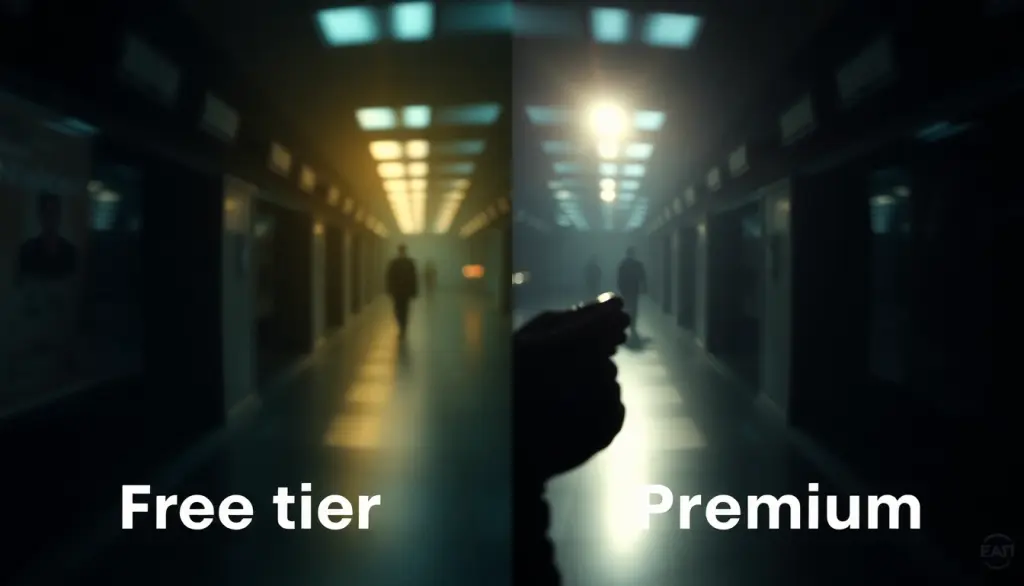
The most significant technical shift of 2026 is the dramatic acceleration in generation speed. The first generation of mainstream AI video models (Sora 1, Kling 1) required 2–5 minutes to generate a 5-second clip. Today's leading models generate the same clip in 4–25 seconds. By late 2026, near-real-time generation — under 1 second per clip — is expected to become achievable on consumer hardware.
What this unlocks:
- Live AI-augmented streaming: Streamers using AI-generated backgrounds, visual effects, and scene transitions that respond to gameplay or audience input in real time.
- Interactive video experiences: Web apps where user choices generate new video content instantly — a new paradigm for interactive storytelling and product demos.
- Same-session iteration: Marketers can generate, evaluate, and regenerate 50 creative variations in a single 2-hour session rather than waiting days between generations.
For creators using VIBE, this trend means the already-fast generation times of Veo 3.1 (currently ~4 seconds) will continue to compress throughout 2026, making high-volume creation even more feasible.
Trend 2: Hyper-Personalized Adaptive Narratives
Beyond personalized ads (which are table stakes in 2026), the frontier is adaptive narrative video — content that dynamically changes based on who is watching it and how they're engaging with it.
- Dynamic storytelling: A brand film that shows different characters, settings, or product scenarios depending on the viewer's demographic profile, location, or behavioral signals.
- AI-driven digital avatars: Characters and presenters in videos that can be customized to be demographically representative of each viewer segment — increasing perceived relevance dramatically.
- Contextual content: Videos that automatically adjust their language, cultural references, or environmental setting based on where the viewer is located or what time of day they're watching.
This has massive implications for global brands. A single AI video creative brief can now produce hundreds of linguistically and culturally adapted versions at near-zero marginal cost.
Trend 3: Photorealistic Human Motion at Scale
The most viscerally impressive leap in 2026 AI video is the dramatic improvement in human motion fidelity. The "uncanny valley" — the unsettling almost-but-not-quite-human quality that plagued early AI video — is being rapidly eliminated.
Models like Kling 3 are already producing human character video that is difficult to distinguish from real footage — including micro-expressions, realistic weight transfer, and hair physics. The next milestone is:
- Multi-character interaction: Multiple AI-generated humans interacting naturally, performing complex choreography, or engaged in realistic conversation — without artifacts or anatomical errors.
- Consistent character identity: The ability to generate a specific AI "character" and maintain their appearance, expressions, and mannerisms consistently across many separate generations — enabling AI brand ambassadors and virtual influencers.
- Creature and animal fidelity: Fantastical creatures and realistic animals that move with biological accuracy, opening new avenues for storytelling in film, gaming, and advertising.
Trend 4: Integrated Multi-Modal Generation
AI video is evolving beyond pure visuals. The next wave is multi-modal generation: AI that simultaneously creates video, synchronized dialogue, sound effects, and musical scores from a single text prompt.
- Native AI audio: Models that generate precisely synchronized dialogue and sound effects that match the physical environment of the scene — footsteps that match the surface, dialogue that has room-appropriate reverb, ambient sound that fits the visual setting.
- Text-to-video-to-3D: A generated video clip that can be converted into a navigable 3D environment for games, architectural visualization, or metaverse applications. Google Research has published early work on this pipeline.
- Haptic integration: For VR and AR platforms, AI-generated haptic patterns that align with the on-screen action — adding a tactile dimension to generated content.
The practical implication for marketers: within 18 months, a single VIBE prompt could produce a complete, broadcast-ready ad unit — visuals, voiceover, music, and sound design — in under a minute.
Trend 5: Ethical AI and Content Provenance Infrastructure
As AI video becomes indistinguishable from real footage, the infrastructure for trust, transparency, and accountability is being urgently built out across the industry.
- Content credentials and watermarking: The Coalition for Content Provenance and Authenticity (C2PA) standard is being adopted by major platforms to embed invisible, verifiable metadata in AI-generated content. This metadata identifies when, where, and how content was created.
- Platform AI labels: TikTok, YouTube, and Meta are all rolling out mandatory disclosure requirements for AI-generated content in certain categories — particularly political content and realistic human depictions.
- Copyright frameworks: Clearer legal frameworks for ownership of AI-generated content are emerging in key markets, providing more certainty for commercial use of AI video.
For creators and brands, this means: AI-generated content is becoming a legitimate, institutionally recognized creative category — not a gray area to avoid, but a defined space with clear rules and commercial viability.
Trend 6: AI-Powered Post-Production and Editing
The AI video revolution isn't only about generation — it's equally transforming the editing and post-production pipeline.
- Prompt-based color grading: Instead of manual color curves and LUTs, describe the look you want: "cinematic teal-and-orange grade, golden hour warmth, slight film grain." AI applies it instantly.
- Intelligent upscaling: AI dramatically improves the quality of lower-resolution footage or older content, making archive material usable in modern high-resolution contexts.
- Automated editing from raw footage: AI analyzes raw video files and automatically assembles a coherent edit based on a brief or desired narrative arc — drastically reducing editor hours on first cuts.
How to Stay Ahead: The VIBE Advantage
The pace of AI video innovation means that the model you use today may be superseded in 90 days. This is precisely why using an aggregator platform like VIBE is the right long-term strategy:
- Always-current model access: VIBE continuously adds new models as they're released — Seedance 2.5, WAN 3.0, and Happy Horse 1.1 today, with 4K video up to 30 seconds and native audio. You don't need to change tools or workflows to access the latest capabilities.
- Multi-modal integration: As new AI modalities (audio generation, 3D export, style transfer) become available, VIBE integrates them into a single coherent workflow.
- Creator community intelligence: The most effective prompt techniques and workflows are discovered and shared within VIBE's creator community, giving you a continuous source of tested best practices.
The future of video is generative, adaptive, and deeply personalized. The gap between early adopters and late movers in AI video is widening every month. By understanding these trends and leveraging them now, you position yourself on the right side of that divide.
Explore the Future of AI Video, Today
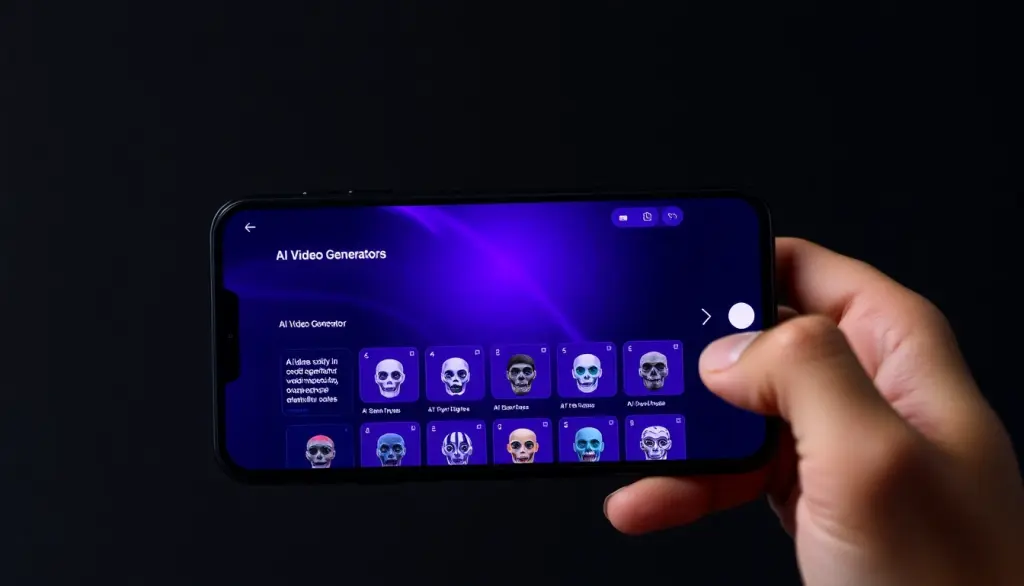
VIBE AI Video Generator app for iOS and Android can generate 4K videos up to 30 seconds with Seedance 2.5, WAN 3.0 and more — including Happy Horse 1.1 and native audio.


Found this helpful? Share it with your audience.
Share on X (Twitter)

